
Discover the CIPO Advantage
Request a demo and let us showcase how CIPO can level up your construction program and project management.
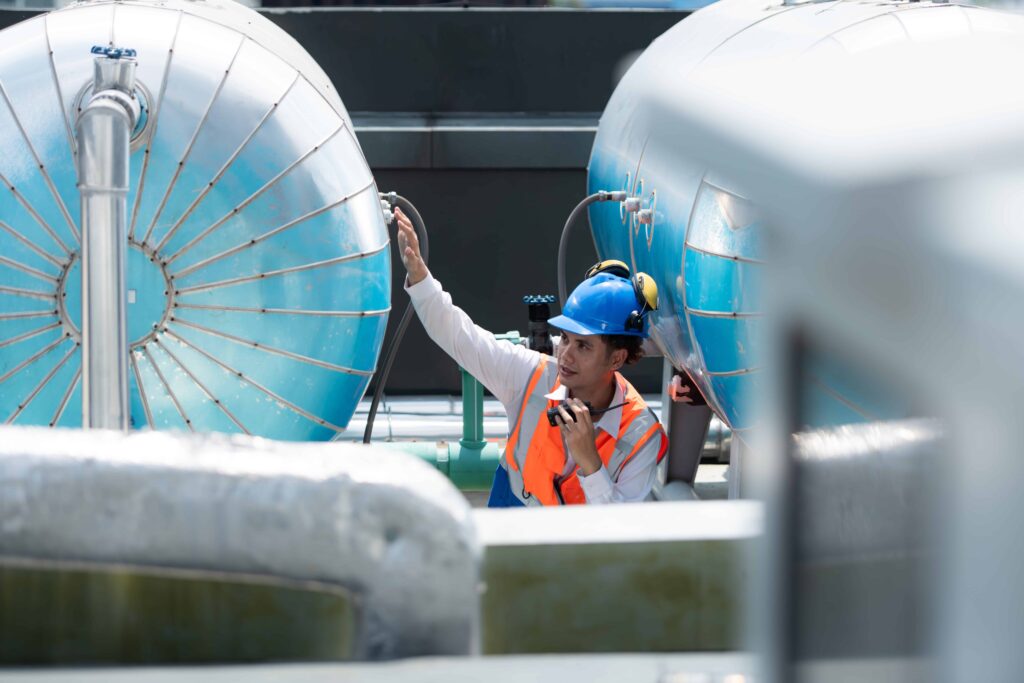
Water and wastewater utilities oversee complex infrastructure programs that often span multiple years. Treatment plant upgrades, pipeline replacements, pump station improvements, and facility expansions generate a large volume of documentation throughout the project lifecycle.
For many agencies and utility teams, the challenge is keeping project records organized and accessible. Project files are frequently stored across shared drives, contractor portals, email chains, and spreadsheets. When documentation is scattered across systems, it becomes difficult to maintain a clear record of decisions, approvals, and construction progress.
Capital infrastructure projects involve multiple organizations working together over extended timelines. Engineering consultants, contractors, inspectors, project managers, and finance teams all contribute documentation at different stages of the project.
Without clear processes for managing water infrastructure documentation, important records can easily become fragmented.
Documentation gaps create several risks for utilities.
Loss of project history
Decisions made during planning, design, or construction may not be recorded consistently, making it difficult to understand why changes were made later in the project lifecycle.
Compliance and audit challenges
Water and wastewater utilities often operate under strict regulatory oversight. Missing approvals, inspection records, or environmental documentation can create problems during audits.
Disputes and change order conflicts
Incomplete records make it harder to verify contract terms, scope changes, and construction conditions when disputes arise.
Operational knowledge gaps
Infrastructure assets may remain in service for decades. Without complete documentation, operations teams may lack critical information about how systems were designed or modified.
A comprehensive documentation checklist helps utility capital program teams maintain consistent records across the project lifecycle. While each organization may have its own requirements, most water and wastewater capital programs rely on several key categories of documentation.
Planning and Program Documentation
These records establish the foundation for capital investments and long-term infrastructure planning.
Examples include:
Design and Engineering Documentation
Design records provide the technical foundation for construction and future system maintenance.
Typical documents include:
Construction Documentation
Construction generates the largest volume of project records. Accurate tracking is essential for maintaining accountability throughout the project.
Common documentation includes:
Financial and Contract Documentation
These records support budget oversight and contract compliance.
Examples include:
Closeout and Asset Documentation
At project completion, utilities must ensure that final records are complete and accessible for long-term operations.
Important closeout documents include:
Maintaining these records consistently across projects helps utilities build a reliable archive of infrastructure information.
Even when agencies understand the importance of documentation, challenges often emerge during active construction.
One of the most common problems is fragmented workflows. Contractors, consultants, and internal teams may each manage documents within their own systems, creating gaps in the official project record.
Several breakdown points appear frequently in capital programs.
Multiple storage locations
Documents may be stored across shared drives, contractor platforms, and email attachments. This makes it difficult to identify the most recent version of a file.
Unclear approval workflows
RFIs, submittals, and change orders may circulate among several reviewers without clear status tracking.
Manual document tracking
Some agencies still rely on spreadsheets to monitor documentation. As projects grow, these methods become difficult to maintain.
Inconsistent naming conventions
Files may be saved using different naming formats, making documents harder to locate later.
These issues often appear gradually as documentation volume increases. Without structured processes, maintaining accurate documentation becomes more difficult over time.
Standardizing documentation practices helps utilities maintain better oversight across capital programs.
When agencies establish consistent processes for managing project records, they gain clearer visibility into project activity and decision history.
Standardized systems support utilities by:
Centralizing project documentation
All project files are stored in a single system rather than scattered across multiple platforms.
Tracking document workflows
Teams can monitor approvals, revisions, and document status through structured workflow tracking.
Improving coordination between teams
Project managers, engineers, contractors, and administrators work from the same set of records.
Strengthening long-term infrastructure records
Centralized documentation ensures that utilities maintain a complete archive of project information for future operations and asset management.
These improvements allow agencies to maintain stronger control over utility capital project records, reduce administrative burden, and improve accountability across complex infrastructure programs.
Water and wastewater capital projects generate large volumes of documentation throughout their lifecycle. Without structured systems to manage these records, information becomes fragmented and difficult to track.
Standardized documentation practices help utilities maintain oversight, reduce risk, and keep accurate records of their infrastructure investments.
As capital programs continue to expand, strong documentation practices will remain an essential part of effective utility project management.
