

Book A Demo Log In Close For capital program owners, the value of AI starts with a practical question: how can it improve the work your team handles every day—from reviewing project information to preparing monthly reports and identifying issues … Read More
Read Article

Construction Project Closeout: What Gets Missed and How PMIS Help
Most capital projects have a clear start and a blurry end. The concrete is poured, the ribbon is cut, and the team moves on to the next project, but the paperwork drags on for months. Punch list items linger unresolved.

CIPO at WateReuse 2026: Exhibiting, Celebrating Our Clients, and Bringing CIPO AI to San Francisco
CIPO Software is exhibiting at WateReuse 2026 in San Francisco. See CIPO AI in action at Booth #11, meet our team, and celebrate our clients taking the stage at this year’s conference. … Read More

CIPO at PWX 2026: AI, Capital Programs, and the Future of Public Works
CIPO is heading to PWX 2026 in Houston. Explore the sessions on our radar, see how AI is reshaping public works capital programs, and get a first look at CIPO AI Phase 2 going live this September. … Read More
CIPO 3.4.8: Holiday Groups, Self-Service Printout Regeneration, and To Do Search
CIPO Release 3.4.8 introduces Holiday Groups for flexible project scheduling, self-service printout regeneration, and a new To Do dashboard search capability, alongside performance improvements and reliability fixes across the platform. … Read More

What Real-Time Cost Visibility Actually Looks Like in a Capital Program
Ask most public agency project managers how they track capital project costs, and you’ll hear some version of the same answer: a spreadsheet updated weekly, a budget report pulled monthly, and a lot of time spent reconciling numbers that don’t
How AI Is Changing Capital Project Management For Public Agencies
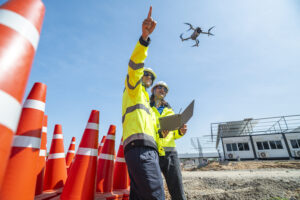
For decades, capital project management at public agencies meant paper trails, email chains, and spreadsheets stitched together by institutional memory. It worked until programs grew too large, staff too thin, and the margin for error too small. Now, artificial intelligence